
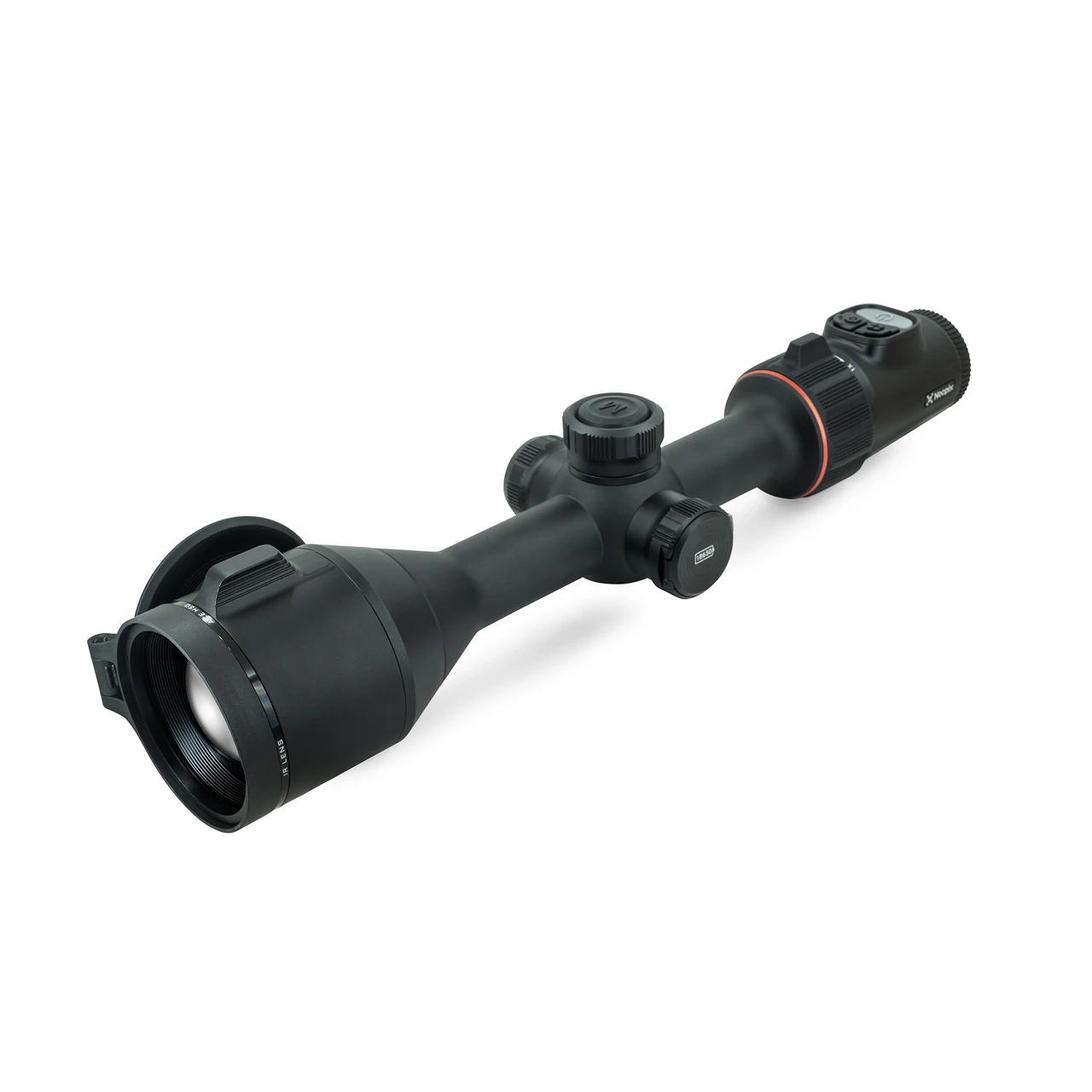
Deer hunting has long been a test of patience, skill, and strategy. Traditionally, hunters relied on daylight and dawn or dusk hours to track and take their game. But with advances in technology, night vision scopes have revolutionized deer hunting, allowing enthusiasts to extend their hunting hours and gain a tactical advantage in low-light conditions.
Why Night Vision Scopes Are Essential for Deer Hunting
Deer are primarily crepuscular, meaning they are most active during dawn and dusk. However, many species have nocturnal habits, especially in areas with heavy human activity. A night vision scope enables hunters to:
- Spot deer in low-light or complete darkness – Amplifying ambient light or detecting infrared signatures makes tracking easier.
- Improve accuracy in the dark – Clear optics and reticles designed for low-light conditions allow precise aiming.
- Hunt ethically and safely – Being able to see clearly prevents accidental misfires and protects non-target wildlife.
Types of Night Vision Scopes
There are two main types of night vision scopes commonly used for deer hunting:
- Traditional Night Vision Scopes (Image Intensifiers)
- These scopes amplify ambient light, such as moonlight or starlight, to create a visible image.
- They often include infrared (IR) illuminators, allowing hunters to see in complete darkness without alerting animals.
- Traditional scopes are usually categorized by “generation”:
- Gen 1: Entry-level, decent performance at shorter ranges, more affordable.
- Gen 2: Better resolution, longer range, improved light amplification.
- Gen 3: High-end, used by professionals, superior clarity, and longer battery life.
- Digital Night Vision Scopes
- Digital scopes convert low light into electronic images on a screen, offering features like video recording and image capture.
- They are often more durable and versatile than traditional scopes and are compatible with modern accessories like smartphones or GPS devices.
- Thermal Imaging Scopes (Optional for Comparison)
- Detect heat signatures rather than light, making them highly effective in dense forests or foggy conditions.
- They are more expensive but provide unmatched detection in absolute darkness or through obstructions like brush.
Key Features to Look for in a Deer Hunting Night Vision Scope
When selecting a night vision scope for deer hunting, consider these critical factors:
- Magnification and Lens Quality: Higher magnification allows you to spot deer at a distance, but it should balance clarity and field of view.
- Range: Determine the distance you typically hunt. Many Gen 2 or 3 scopes provide clear vision up to 300–500 yards.
- IR Illuminator Strength: Essential for complete darkness. Adjustable IR allows hunters to adapt to varying light conditions.
- Reticle Type: Some scopes have illuminated reticles, which enhance aiming in low light without startling deer.
- Durability: Deer hunting often involves rough terrain. Look for waterproof, shockproof, and fog-resistant scopes.
- Battery Life: Long hunting sessions demand reliable power sources. Some scopes also offer rechargeable or replaceable battery packs.
Practical Tips for Using Night Vision Scopes in Deer Hunting
- Scout During Daytime: Familiarize yourself with terrain and deer patterns before night hunting.
- Adjust to Darkness: Allow your eyes to adapt to low light and use the scope’s IR settings conservatively.
- Stay Quiet and Stealthy: Night vision can extend your range, but deer are sensitive to sound. Move slowly and minimize noise.
- Check Local Regulations: Some states restrict night hunting or the use of specific night vision equipment for deer. Always comply with legal requirements.
- Practice: Low-light shooting differs from daytime hunting. Spend time practicing to ensure accuracy and safety.
Top Brands and Models
Several brands have become popular among deer hunters for their reliability and performance:
- ATN X-Sight: Digital scopes with video recording, good range, and versatile features.
- Pulsar Digisight: High-quality digital scopes with excellent image clarity and IR capabilities.
- Armasight Zeus: Gen 2+ scopes with rugged designs, suitable for serious night hunters.
- Bushnell Equinox: Affordable, entry-level digital night vision with user-friendly features.
Conclusion
Night vision scopes have transformed deer hunting by extending hours, increasing accuracy, and improving safety. Whether you’re a casual hunter or a serious enthusiast, investing in a quality night vision scope can enhance your hunting experience dramatically. By understanding the different types, features, and practical usage tips, you can make an informed choice and enjoy a more rewarding night hunting season.
With the right night vision scope, the dark forest becomes a navigable terrain, and deer hunting is no longer limited by the setting sun.